You won't share your opinion with brands you dislike
Today’s Key Concept
As consumers, we like to vent and complain about our poor experiences.
An unhappy consumer is likely to tell his friends about a brand they disliked.
However, when it comes to tell the brand about the poor experience, in the form of feedback or complaints, consumers are unlikely to share.
We’re happy gossiping about a brand to friends, but not as ready to tell it straight to their face.
What’s Surprising
You would think unhappy consumers are the loudest.
And they are; but simply not when they have to talk about their unhappiness directly to the entity responsible for it.
According to the paper by Hydock and colleagues (2020) it has to do with three psychological phenomena at play:
desire to reciprocate
desire to vent
aversion to criticise
The desire to reciprocate is about positive experiences: we want to “give back” and so speak highly of the brand to our friends. The desire to vent is about complaining, warning friends and fulfilling our social duty in a consumer culture.
However, if the feedback is directed towards the brand itself, a third phenomenon comes at play, challenging the others: the aversion to criticise.
Criticism induces “social discomfort” - it is seen as conflict and has a psychological cost to consumers.
For this reason, the paper predicts and argues that unhappy consumers are less likely to share feedback with brands.
The Study in Brief
Hydock and colleagues (2020) ran 7 studies as part of the paper “Why Unhappy Customers Are Unlikely to Share Their Opinions With Brands.”
The first study took 1,285 students and asked them about their attitude towards a well-known convenient store on campus. They completed a survey where 1 meant very dissatisfied, and 7 meant very satisfied (4 was the neutral point on this scale).
Two weeks after this exercise, they received a survey from the store with subject line “Give [retailer] feedback”
Below is what happened:
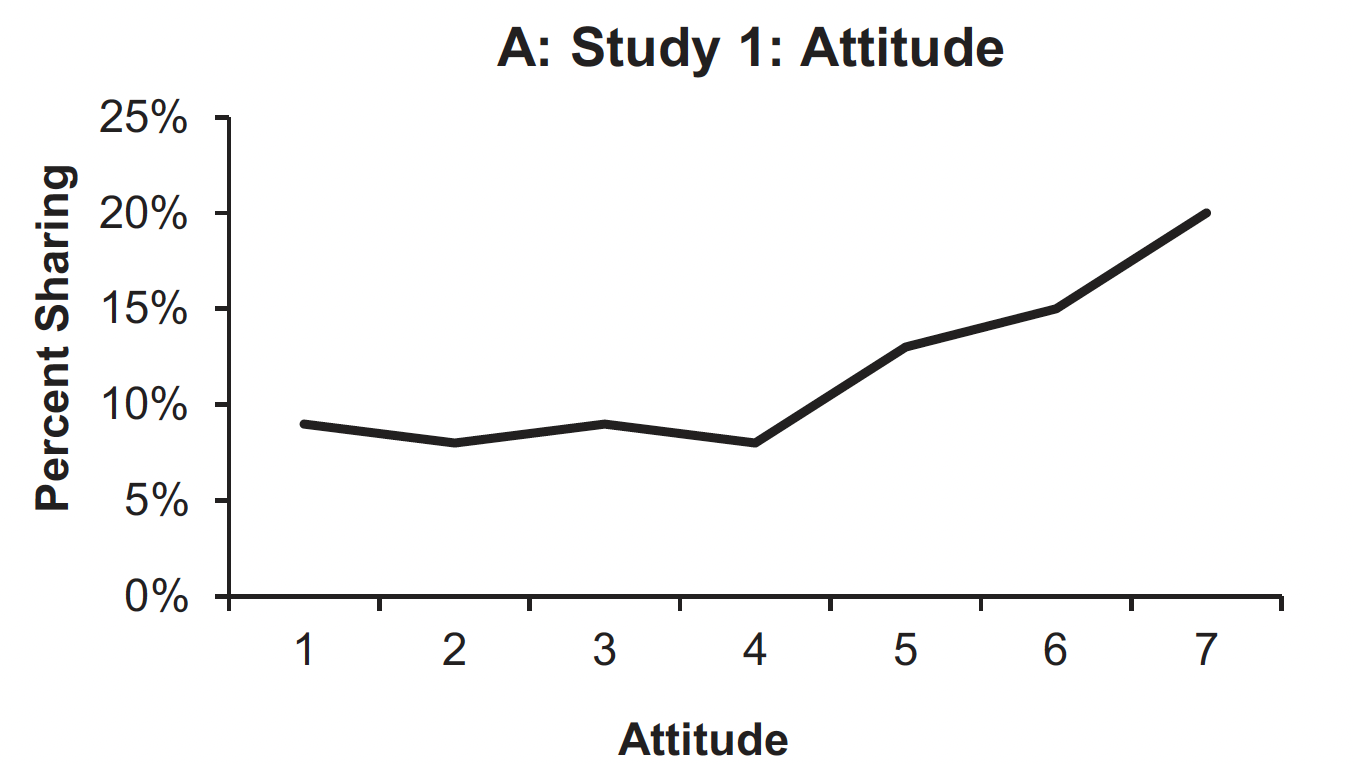
(Figure 2,Why Unhappy Customers Are Unlikely to Share Their Opinions with Brands Author(s): Chris Hydock, Zoey Chen and Kurt Carlson Source: Journal of Marketing, November 2020, Vol. 84, No. 6 (November 2020), pp. 95-112)
Hydock and colleagues (2020) call this the “hockey stick-shaped relationship between attitude and sharing with brands.”
The students who had a negative attitude (from scale 1-4) ignore the survey - they had an aversion to criticise the brand directly to its face.
The students who had a positive attitude towards the brand (4 onwards) were gradually more likely to share - they had a desire to reciprocate from their positive experiences with the store.
Of course, there might be other obvious mechanisms at play. The study notes the possibility of “effort, desire to help oneself, reluctance to help brand, perceived futility of sharing” and so on.
Yet, the 7 studies of the paper help mitigate these other mechanisms and focus on the thre mentioned above.
For example, study 7 tests the difference between sharing feedback with the brands and sharing feedback with other consumers.
As expected from the paper, “extreme” consumers (very dissatisfied or very happy) were more likely to share with consumers (a U-shaped relationship, desire to vent and reciprocate) whereas very dissatisfied consumers were unlikely to share with the brand (aversion to criticise).
It is only happy consumers who were likely to share directly with the brand, from their desire to reciprocate.
All in all, the common conclusion of the studies is that you are unlikely to hear feedback from your unhappy consumers if you are asking them directly: they do not want to criticise you to your face and let you know how they feel - they will vent to their friends instead.
How Can You Use It?
It is very common in the business and marketing world to hear that you should listen to your most unhappy consumers.
But what if they do not want to talk to you and let you know how they feel?
The authors see seriously managerial implications, in their words “it suggests that the data brands gather from customer feedback surveys might be rose tinted.”
They found that “that approximately 8% of those with negative attitude shared, but 16% of those with positive attitude shared.”
If you manage a brand, you may need to double count your negative reviews, as they have been filtered down by the desire to avoid criticism. It is also a good idea to compare your feedback data to how consumers speak about your brand to one another, if this data can be collected.
You hear twice as much from your happy consumers, which often may lead to strategies and decisions that are overly optimistic.
This leads to suboptimal products, missed forecasts, and surprises post-launches.
If you conduct consumer feedback, be wary of the above data biases, consider using an external research provider and ask for ideas or opinions rather than “feedback.”
What’s the Source?
Today’s science is from “Why Unhappy Customers Are Unlikely to Share Their Opinions with Brands Author(s): Chris Hydock, Zoey Chen and Kurt Carlson Source: Journal of Marketing, November 2020, Vol. 84, No. 6 (November 2020), pp. 95-112”
